When it comes to keeping your pool or hot tub water clean, sanitised and in good condition, you'll be familiar with balancing chlorine, pH, and alkalinity. However, there's another factor that quietly affects your water quality over time and is often overlooked: that is TDS, or Total Dissolved Solids.
What exactly is TDS?
TDS stands for Total Dissolved Solids, which simply means everything that has dissolved into your pool or hot tub water and stayed there.
This includes things like:
- Minerals from your tap water (calcium, magnesium, sodium)
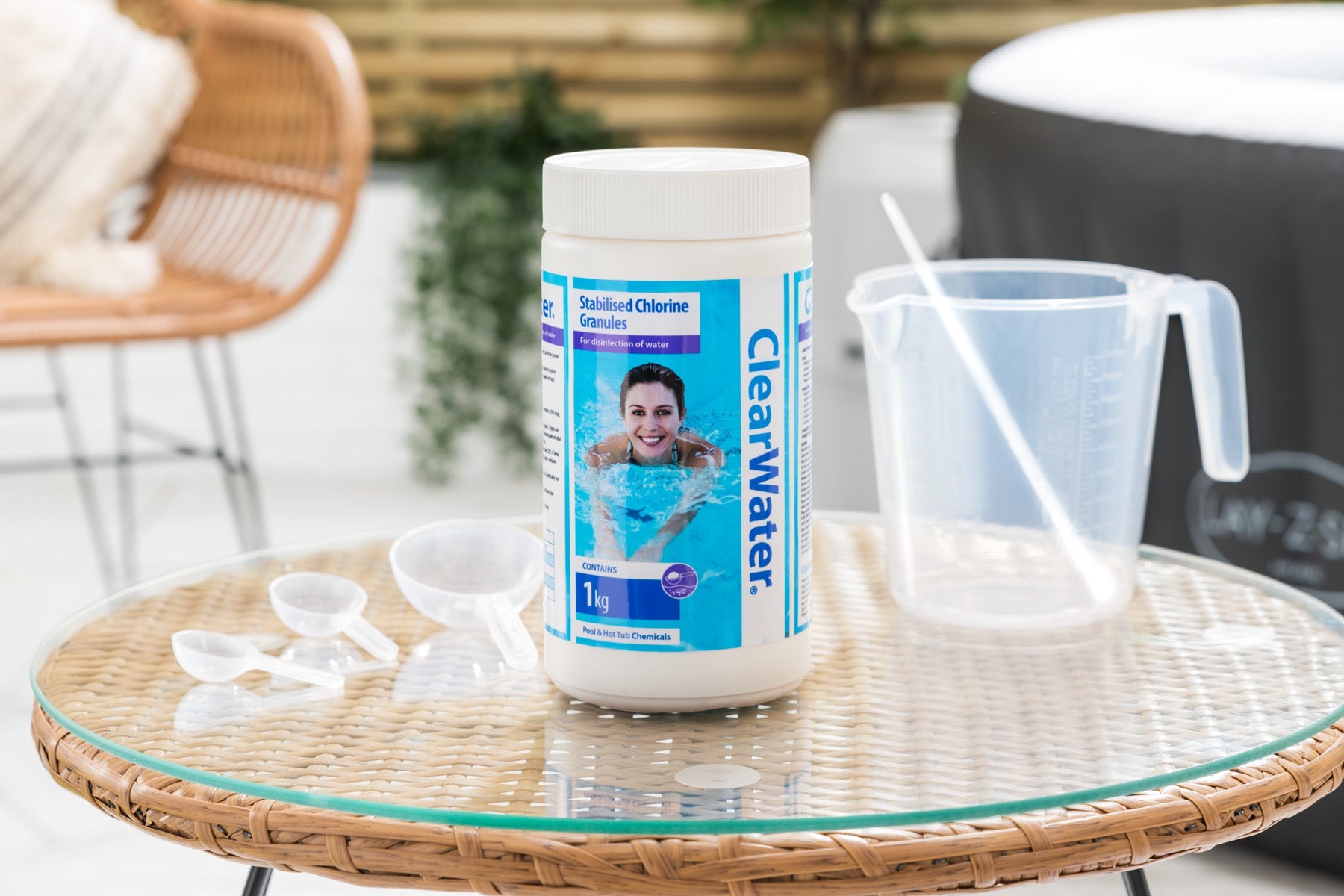
- Pool or spa chemicals (chlorine, bromine, algaecides, stabilisers)
- Salts, if you have a saltwater system
- Oils, lotions, and sweat from swimmers or any organic matter/debris
Basically, anything that dissolves and stays in the water adds to the TDS level.
Over time, as you keep adding chemicals and water evaporates, these dissolved solids build up, even if the water looks clear. Even though they're invisible, they can start causing problems if TDS levels get too high.
Why TDS levels matter
When TDS levels are too high, your pool or hot tub water can start behaving differently.
You might notice:
- Cloudy or dull water
- Hard-to-balance chemicals (chlorine and pH won’t seem to hold steady)
- Corrosion or scale buildup on surfaces and equipment
- Skin or eye irritation
In short, water with high TDS is tired water - it just doesn't behave the same way as fresh water.

Hot tubs are more likely to be affected by TDS
- Smaller volume & higher chemical concentration - Hot tubs have a much smaller volume of water. That means every time you add chemicals or use the hot tub, those dissolved solids become more concentrated in the smaller water volume.
- Higher temperatures accelerate the buildup - Warm water speeds up chemical reactions. Because hot tubs run at higher temperatures, chemicals break down faster and leave behind residual byproducts that add to TDS.
- A higher person per volume of water ratio - In comparison to a pool used in exactly the same way, a hot tub has more people per gallon/litre of water, meaning more body oils, sweat, and lotions enter the water. The higher concentration of organic materials contributes to TDS over time.
What can you do about high TDS?
Regular maintenance and staying on top of chemical care help slow down TDS buildup. But since TDS builds up naturally over time, it's not something you can completely avoid. There's an easy fix when it becomes a problem.
If your water starts looking cloudy or hard to balance the chemical levels, it's time to drain and refill your pool or hot tub with fresh water. With hot tubs, stick to a maximum of every 3 months for a refill.

Final thoughts on Total Dissolved Solids
TDS isn't something you can see or feel right away, but it has a big impact on how your water looks and feels.
Think of it as your water's “wear and tear” over time. When it starts acting up, giving it a fresh refill can make all the difference.